

A glazing bead is a small yet essential component that plays a critical role in the strength, security, and performance of modern windows and doors. Designed to hold glass panels firmly within the frame, it works alongside seals and gaskets to improve insulation, prevent water leaks, and enhance energy efficiency. Available in materials such as uPVC, aluminum, and timber, glazing beads are widely used in both residential and commercial buildings. Choosing the right glazing bead ensures long-lasting durability, better weather resistance, and increased security. This comprehensive guide explores its types, functions, benefits, installation process, maintenance tips, and how it contributes to creating safer, more efficient, and visually appealing glazing systems.
What Is a Glazing Bead?
A glazing bead is a narrow strip of material that secures a pane of glass inside a window or door frame. It fits tightly around the edges of the glazing unit, locking the glass into position and preventing movement caused by wind, vibration, or daily use. Modern glazing beads are available in various materials, including uPVC, aluminum, timber, and composite materials, allowing them to match different window styles and construction requirements. While the bead itself may seem like a simple finishing piece, it is a vital part of the entire glazing system, contributing to safety, durability, and long-term performance in both residential and commercial buildings.
Why Is a Glazing Bead Important?
The importance of a glazing bead extends far beyond holding glass in place. It works with glazing gaskets and seals to create a weather-resistant barrier that protects against rain, dust, and air leaks. This improves energy efficiency by reducing heat loss during winter and limiting heat gain during summer, ultimately lowering energy bills. Additionally, glazing beads distribute pressure evenly around the glass, reducing the risk of cracks or stress-related damage. In many modern window designs, internally fitted glazing beads also enhance security by making it much more difficult for intruders to remove the glass from outside the building.
Main Components of a Glazing Bead System
A complete glazing bead system includes several components that work together to ensure a secure and reliable installation. The glazing bead forms the visible retaining strip around the glass, while rubber gaskets provide cushioning and create an airtight and watertight seal. Glazing packers or setting blocks help position the glass correctly within the frame, ensuring that weight is distributed evenly and preventing unnecessary pressure points. Together, these components improve window stability, reduce vibration, and allow the glazing unit to expand and contract naturally with temperature changes. Proper installation of each element is essential for maximizing the lifespan and performance of the window.
How Does a Glazing Bead Hold Glass Securely?
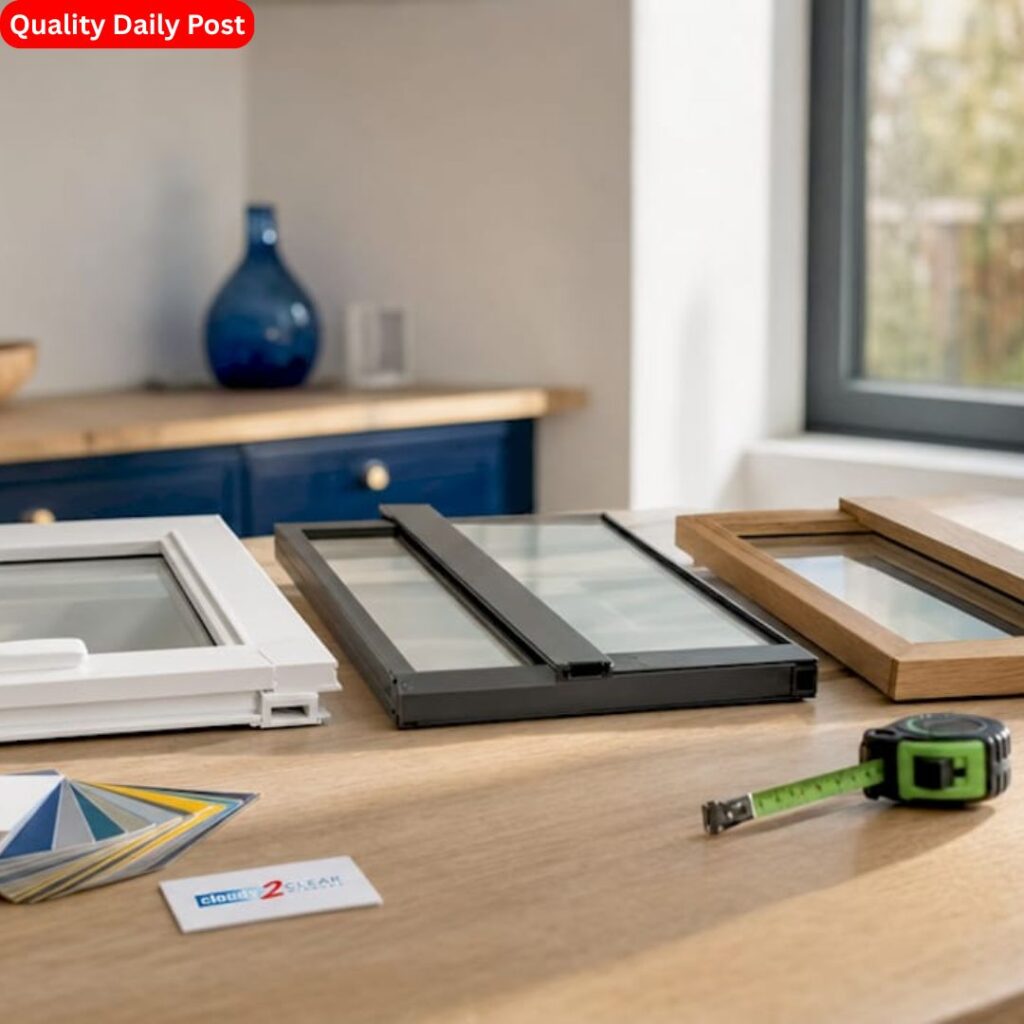
The installation process of a glazing bead relies on a carefully designed locking mechanism. Once the insulated glass unit is positioned inside the frame, glazing packers are placed beneath the glass to maintain proper alignment. Rubber gaskets are then fitted around the edges to create an effective seal against moisture and air infiltration. Finally, the glazing beads are pressed or snapped into specially designed grooves within the frame. This creates even pressure around the perimeter of the glass, preventing movement while allowing slight expansion due to changing temperatures. The result is a secure, weatherproof, and durable glazing system capable of providing reliable performance for many years.
Types of Glazing Beads
Different window systems require different types of glazing bead designs to ensure a secure fit and long-lasting performance. The most common types include square glazing beads, chamfered glazing beads, sculptured glazing beads, and clip-in glazing beads. Square beads offer a clean, modern appearance that suits contemporary homes, while chamfered beads feature angled edges for a more traditional look. Sculptured glazing beads add decorative detail and are often used in premium window designs. Clip-in glazing beads are popular because they allow faster installation and easier replacement when repairing damaged glass. Choosing the correct type depends on the window frame, glass thickness, and the desired architectural style.
Materials Used in Glazing Beads
A glazing bead can be manufactured from several materials, each offering unique advantages for different environments. uPVC glazing beads are the most common because they are affordable, lightweight, moisture-resistant, and require very little maintenance. Aluminum glazing beads provide exceptional strength, corrosion resistance, and a sleek appearance, making them ideal for commercial buildings and modern architecture. Timber glazing beads are widely used in traditional homes where maintaining a natural wooden finish is important. Composite glazing beads combine multiple materials to improve durability, insulation, and weather resistance. Selecting the right material depends on climate conditions, maintenance preferences, and the overall design of the property.
Internal vs. External Glazing Beads
One of the most important considerations when selecting a glazing bead is whether it is designed for internal or external installation. Internal glazing beads are fitted from inside the building, making it significantly more difficult for burglars to remove the glass from the outside. This added level of security has made internally beaded windows the preferred choice for most modern residential properties. External glazing beads, on the other hand, are installed from the outside and are commonly found in older window systems or specific commercial applications. Although both designs securely hold the glass, internally glazed windows generally provide enhanced security, improved weather protection, and easier long-term maintenance.
How to Choose the Right Glazing Bead
Choosing the correct glazing bead requires careful consideration of several factors, including the window frame material, glass thickness, glazing system, and environmental conditions. The bead must match the exact profile of the window to ensure a tight and secure fit. Using an incorrect size or incompatible design may lead to poor sealing, water leaks, reduced insulation, and even glass movement over time. Homeowners should also consider the appearance of the bead, ensuring it complements the style of the property. For replacement projects, measuring the existing glazing bead accurately or consulting the window manufacturer helps ensure compatibility and optimal performance.
Applications of Glazing Beads in Residential and Commercial Buildings
A glazing bead is used in a wide variety of residential and commercial applications where glass needs to be securely fixed within a frame. In homes, glazing beads are commonly found in windows, patio doors, French doors, conservatories, and skylights. They help keep double- and triple-glazed units firmly in place while improving insulation and weather resistance. In commercial buildings, glazing beads are widely used in office windows, storefronts, curtain wall systems, and glass partitions. Their ability to provide strong support while maintaining a clean, professional appearance makes them an essential component in modern construction projects. Regardless of the building type, a properly installed glazing bead contributes to safety, durability, and long-term energy efficiency.
Benefits of Using High-Quality Glazing Beads
Investing in a high-quality glazing bead offers numerous advantages that extend beyond simply holding glass in place. Premium glazing beads provide a tighter seal, helping to reduce drafts, prevent water penetration, and improve the overall thermal efficiency of a building. They also enhance sound insulation by minimizing gaps around the glazing unit, making indoor spaces quieter and more comfortable. High-quality materials resist fading, warping, cracking, and corrosion, ensuring they maintain their appearance and functionality for many years. Additionally, well-designed glazing beads improve window security by keeping the glass firmly secured within the frame, reducing the risk of accidental displacement or unauthorized removal.
Step-by-Step Glazing Bead Installation Process
Installing a glazing bead requires precision to ensure the glass remains secure and properly sealed. The process begins by cleaning the window frame thoroughly to remove dust, debris, and old sealant. Next, glazing packers are positioned to support the insulated glass unit and distribute its weight evenly. After placing the glass into the frame, rubber gaskets are fitted around the edges to create an airtight and watertight seal. The glazing beads are then carefully pressed or clipped into the frame, starting with the shorter sides before securing the longer sections. Finally, the installer checks that every bead is fully engaged, ensuring the glass is stable, properly aligned, and protected against weather and movement.
Common Glazing Bead Problems and Their Solutions
Although a glazing bead is designed for long-lasting performance, it can develop problems over time due to age, weather exposure, or improper installation. Common issues include cracked or warped beads, loose fittings, discoloration, shrinking gaskets, and difficulty removing the bead during glass replacement. These problems may reduce the window’s insulation, allow water infiltration, or cause the glass to shift within the frame. In many cases, replacing the damaged glazing bead with a matching profile restores the window’s performance without requiring a complete window replacement. Regular inspections and prompt repairs help prevent minor issues from developing into more costly structural or energy-efficiency problems.
How to Replace a Glazing Bead
Replacing a glazing bead is a practical solution when the existing bead becomes damaged, loose, or worn. Before starting, measure the old bead carefully to ensure the replacement matches the exact profile and dimensions of the window frame. Using a glazing removal tool or a thin putty knife, gently lift the old bead without damaging the frame or the glass. Once removed, inspect the rubber gaskets and glazing packers, replacing any worn components before fitting the new bead. Press the replacement glazing bead firmly into its groove until it clicks securely into place. After installation, check that the glass is stable and that the bead sits evenly around the entire frame.
Maintenance Tips for Long-Lasting Glazing Beads
Proper maintenance helps a glazing bead remain functional and attractive for many years. Regularly clean the beads using a soft cloth and mild soapy water to remove dust, dirt, and grime that can accumulate around the window edges. Avoid harsh chemicals or abrasive cleaning tools, as these may damage the surface finish or weaken certain materials. During routine inspections, look for signs of cracking, fading, loose sections, or deteriorating rubber seals. Addressing minor issues early can prevent larger problems such as water leaks or reduced insulation. With simple care and periodic inspections, glazing beads can continue to provide reliable support and weather protection throughout the lifespan of the window.
Signs Your Glazing Bead Needs Replacement
Knowing when to replace a glazing bead can help maintain the safety and efficiency of your windows. One of the most obvious signs is visible damage, such as cracks, chips, warping, or broken sections that no longer hold the glass securely. Homeowners may also notice drafts, water leaks, rattling glass, or gaps between the bead and the frame, indicating that the seal has weakened. Discoloration caused by prolonged exposure to sunlight or moisture can also suggest that the material has reached the end of its service life. Replacing worn glazing beads promptly restores the window’s appearance, improves insulation, and helps prevent more expensive repairs in the future.
Common Mistakes to Avoid During Glazing Bead Installation
Installing a glazing bead incorrectly can reduce window performance and even compromise safety. One of the most common mistakes is selecting the wrong bead profile or size, which may prevent the glass from fitting securely within the frame. Applying excessive force during installation can crack the bead or damage the glass, while failing to use glazing packers may result in uneven weight distribution and increased stress on the glazing unit. Another frequent error is reusing damaged rubber gaskets instead of replacing them with new ones, leading to poor sealing and water penetration. Taking accurate measurements, using the proper tools, and following the manufacturer’s recommendations ensures a secure, durable, and professional-quality installation.
Future Trends in Glazing Bead Technology
The future of glazing bead technology is closely linked to advancements in energy-efficient construction and sustainable building materials. Manufacturers are developing stronger composite glazing beads that offer improved durability, UV resistance, and thermal insulation while requiring minimal maintenance. Smart building designs are also driving demand for glazing systems that support triple-glazed windows, acoustic glass, and high-performance insulated glass units. In addition, recyclable materials and environmentally friendly manufacturing processes are becoming increasingly important as the construction industry focuses on reducing its environmental impact. These innovations ensure that modern glazing beads continue to enhance window performance while meeting evolving building standards and homeowner expectations.
Choosing the Best Glazing Bead for Your Project
Selecting the right glazing bead depends on several important factors, including the frame material, glazing thickness, security requirements, and the overall style of the property. Homeowners should choose a glazing bead that is fully compatible with their existing window system to ensure a secure fit and long-lasting performance. It is also important to consider the local climate, as areas with extreme temperatures or heavy rainfall may require more durable and weather-resistant materials. Consulting the window manufacturer or a professional installer can help identify the correct bead profile and material, reducing the risk of installation issues and ensuring optimal insulation, security, and aesthetic appeal.
Conclusion
Although often overlooked, the glazing bead is a vital component of every modern window and door system. It securely holds the glass in place, strengthens the overall structure, improves weather resistance, and contributes to better energy efficiency. Available in a variety of styles and materials, glazing beads are suitable for uPVC, aluminum, timber, and composite windows, making them an essential part of both residential and commercial construction. Regular maintenance, timely replacement, and proper installation ensure that glazing beads continue to perform effectively for many years. By understanding their purpose and choosing the correct type, homeowners and builders can improve the safety, durability, and appearance of their glazing systems while maximizing long-term value.
Frequently Asked Questions (FAQs)
1. What is a glazing bead used for?
A glazing bead is used to secure glass panels inside a window or door frame. It prevents the glass from moving while improving weather resistance, insulation, and overall window stability.
2. What materials are glazing beads made from?
Glazing beads are commonly manufactured from uPVC, aluminum, timber, and composite materials. Each material offers different advantages in terms of durability, maintenance, appearance, and weather resistance.
3. Can I replace a glazing bead without replacing the entire window?
Yes. In most cases, a damaged glazing bead can be replaced independently without changing the complete window. It is important to use a replacement bead that matches the original profile and dimensions.
4. How long does a glazing bead last?
A high-quality glazing bead can last 15 to 30 years or more, depending on the material, installation quality, weather conditions, and regular maintenance.
5. Are internal glazing beads more secure than external ones?
Yes. Internal glazing beads provide better security because they cannot be easily removed from outside the building, making unauthorized access much more difficult.
6. How do I know if my glazing bead needs replacing?
Common signs include cracks, warping, loose sections, water leaks, drafts, rattling glass, faded appearance, or damaged rubber seals. Replacing the bead promptly helps maintain window performance and safety.

