

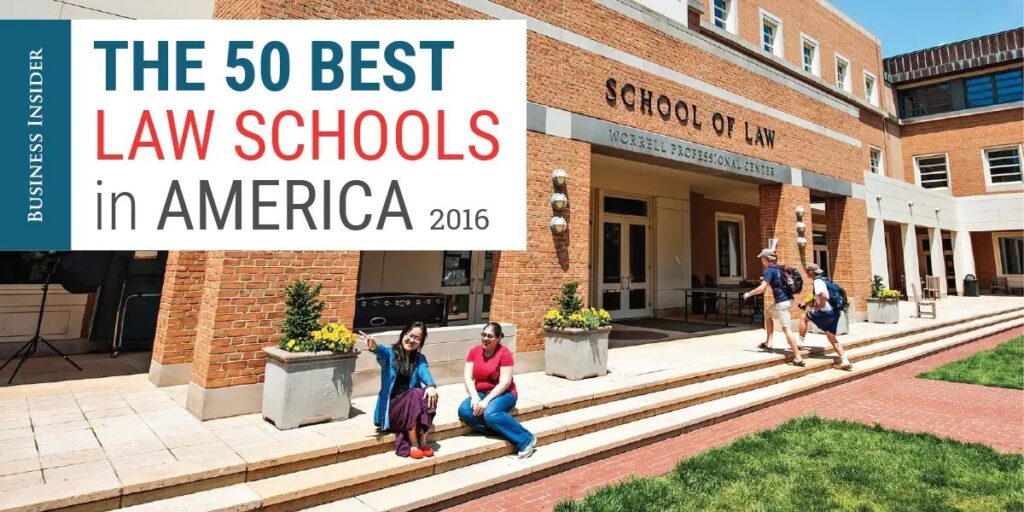
Choosing one of the best law schools in the US is one of the most important decisions for anyone planning a legal career. A top law school offers much more than a respected degree—it provides access to experienced professors, extensive legal research opportunities, competitive internships, and a powerful alumni network. Whether your goal is to become a corporate lawyer, prosecutor, judge, legal consultant, or public interest advocate, attending one of the **best law schools in the US** can significantly improve your career prospects. This guide explains everything you need to know, including rankings, admission requirements, tuition costs, career outcomes, and tips for selecting the right school based on your personal and professional goals.
What Makes the Best Law Schools in the US Stand Out?
The best law schools in the US are recognized for their academic excellence, experienced faculty, innovative legal research, and outstanding graduate success. These institutions consistently produce lawyers who influence governments, businesses, and international organizations. Students benefit from small class discussions, practical legal clinics, moot court competitions, and mentorship from leading legal scholars. Many of these schools also maintain strong partnerships with top law firms, courts, and nonprofit organizations, giving students valuable real-world experience before graduation. Their global reputation attracts talented students from around the world, creating a diverse and intellectually stimulating learning environment.
Why Study Law in the United States
The United States is home to some of the world’s most respected legal education institutions. Studying at one of the **best law schools in the US** allows students to learn from internationally recognized professors while gaining exposure to one of the most influential legal systems in the world. American law schools emphasize analytical thinking, legal writing, negotiation, and practical problem-solving. Students also participate in internships, judicial clerkships, and legal clinics that strengthen their professional skills. Graduates often enjoy excellent employment opportunities in law firms, government agencies, multinational corporations, and international organizations across the globe.
History of Legal Education in America

Legal education in America has evolved dramatically over the past two centuries. During the **19th century**, universities began replacing apprenticeship programs with structured legal education, creating modern law schools focused on classroom learning and legal research. Over time, institutions such as **Harvard Law School**, **Yale Law School**, and **Stanford Law School** introduced innovative teaching methods that transformed legal education worldwide. Today, the **best law schools in the US** combine traditional legal principles with modern subjects such as technology law, cybersecurity, artificial intelligence, environmental law, and international business law, preparing graduates for an increasingly complex legal profession.
Key Factors Used to Rank Law Schools
Several important factors determine which institutions are considered among the **best law schools in the US**. Ranking organizations evaluate academic reputation, faculty qualifications, student selectivity, employment outcomes, bar examination success rates, research productivity, and graduate salaries. Additional considerations include financial aid opportunities, student satisfaction, diversity, and access to practical legal training. Although rankings provide valuable guidance, students should also consider location, specialization, tuition costs, campus culture, and long-term career goals. Choosing the right law school involves balancing prestige with personal preferences and financial planning.
Top-Ranked Law Schools in the US
Every year, several universities consistently appear among the **best law schools in the US** because of their exceptional academic standards and career outcomes. Schools such as **Stanford Law School**, **Yale Law School**, **University of Chicago Law School**, **Harvard Law School**, **University of Virginia School of Law**, **Columbia Law School**, and **New York University School of Law** are widely recognized for producing influential judges, attorneys, scholars, business leaders, and policymakers. These institutions offer rigorous coursework, extensive legal clinics, global exchange opportunities, and strong employer connections that help graduates secure competitive positions in the legal profession.
Admission Requirements for the Best Law Schools in the US
Admission to the **best law schools in the US** is highly competitive and requires careful preparation. Most applicants must complete a bachelor’s degree before applying to a Juris Doctor (**JD**) program. A strong undergraduate **GPA**, an excellent **LSAT** score (or **GRE**, where accepted), compelling personal statements, letters of recommendation, and a detailed resume all play an important role. Admissions committees also value leadership experience, community service, internships, research, and extracurricular achievements. Demonstrating strong analytical thinking, communication skills, and a genuine passion for the legal profession can significantly improve an applicant’s chances of receiving an admission offer.
Understanding the Juris Doctor (JD) Program
The **Juris Doctor (JD)** is the standard professional law degree offered by the **best law schools in the US**. Most JD programs take **three years** of full-time study and combine classroom instruction with practical legal training. During the first year, students study foundational subjects such as constitutional law, contracts, criminal law, civil procedure, torts, legal writing, and property law. In later years, students choose electives based on their interests, including corporate law, tax law, environmental law, intellectual property law, family law, and international law. Practical experiences through legal clinics and internships prepare graduates for real-world legal practice.
Tuition Costs and Financial Aid Opportunities
Studying at the **best law schools in the US** can be a significant financial investment. Annual tuition often ranges from **$40,000 to over $80,000**, depending on the institution and residency status. Students should also budget for housing, books, health insurance, transportation, and other living expenses. Fortunately, many top law schools offer generous scholarships, need-based grants, fellowships, assistantships, and student loan programs. Some institutions even provide full-tuition scholarships to outstanding applicants. Comparing financial aid packages alongside academic quality helps students choose a law school that supports both their educational and financial goals.
Career Opportunities After Graduating
Graduates from the **best law schools in the US** enjoy excellent career opportunities across multiple industries. Many begin their careers at prestigious law firms, while others join government agencies, corporate legal departments, nonprofit organizations, or international institutions. Some graduates become prosecutors, public defenders, judges, legal consultants, policy advisors, or law professors. Strong alumni networks, career counseling offices, on-campus interviews, and internship programs help students secure competitive positions soon after graduation. High employment rates and attractive starting salaries make top law schools a valuable investment for aspiring legal professionals.
How to Choose the Right Law School for Your Goals
Selecting among the **best law schools in the US** requires more than simply looking at rankings. Students should evaluate each school’s academic strengths, faculty expertise, location, specialization options, tuition costs, employment outcomes, bar passage rates, and campus culture. Visiting campuses, attending virtual information sessions, and speaking with current students or alumni can provide valuable insights. Applicants interested in fields such as corporate law, criminal law, environmental law, or intellectual property should also consider schools with strong programs in those specialties. Choosing a law school that aligns with personal interests and long-term career objectives leads to greater success and satisfaction.
Student Life at the Best Law Schools in the US
Life at the **best law schools in the US** extends far beyond the classroom. Students participate in law journals, moot court competitions, mock trials, legal clinics, and student organizations that develop practical legal and leadership skills. Networking events, guest lectures, and career fairs connect students with experienced attorneys, judges, and industry leaders. Many universities also promote diversity, inclusion, and community engagement through volunteer programs and pro bono legal services. These experiences help students build confidence, strengthen professional relationships, and prepare for the challenges of a successful legal career while maintaining a balanced and supportive academic environment.
Internship and Clinical Training Opportunities
One of the biggest advantages of attending the **best law schools in the US** is access to outstanding internship and clinical training opportunities. Students gain hands-on experience by working with judges, law firms, government agencies, nonprofit organizations, and corporate legal departments. Legal clinics allow students to represent real clients under the supervision of licensed attorneys, developing valuable skills in legal research, negotiation, client communication, and courtroom advocacy. These practical experiences bridge the gap between classroom learning and professional practice, making graduates more confident and competitive in today’s legal job market.
Popular Law Specializations
The **best law schools in the US** offer a wide range of legal specializations that allow students to focus on their career interests. Popular fields include **Corporate Law**, **Criminal Law**, **Constitutional Law**, **Environmental Law**, **Intellectual Property Law**, **Tax Law**, **International Law**, **Family Law**, **Health Law**, and **Cybersecurity Law**. Choosing a specialization helps students develop advanced knowledge and practical expertise in a specific area of legal practice. Many schools also provide specialized research centers, faculty mentors, and internship opportunities that prepare graduates for leadership roles in their chosen legal field.
Skills Needed to Succeed in Law School
Success at the **best law schools in the US** requires dedication, discipline, and strong intellectual abilities. Students must develop excellent **critical thinking**, **legal research**, **analytical reasoning**, **problem-solving**, **time management**, and **communication skills**. Effective legal writing and persuasive oral advocacy are also essential for academic success and future courtroom performance. Collaboration, professionalism, and ethical decision-making are equally important throughout law school and legal practice. By continuously improving these skills, students become well-prepared to handle complex legal issues and build rewarding careers in the legal profession.
Employment Outlook and Future of Legal Education
The future remains bright for graduates of the **best law schools in the US** as the legal profession continues to evolve with technology and globalization. Law firms increasingly seek professionals with expertise in **artificial intelligence**, **cybersecurity**, **data privacy**, **international business**, and **environmental regulation**. Modern law schools are adapting by introducing innovative courses, expanding experiential learning programs, and integrating technology into legal education. Graduates who combine strong legal knowledge with technological awareness, ethical judgment, and practical experience will be well-positioned for long-term success in an increasingly competitive global legal market.
Conclusion
Choosing one of the **best law schools in the US** is a major investment in your future. While prestigious rankings are important, the ideal law school is one that matches your academic interests, career goals, financial situation, and preferred learning environment. Top institutions provide world-class education, experienced faculty, extensive legal research opportunities, practical clinical training, and strong alumni networks that open doors to outstanding careers. Whether you dream of becoming a corporate attorney, judge, prosecutor, legal consultant, or public interest lawyer, earning a degree from one of the **best law schools in the US** can provide the knowledge, skills, and professional connections needed to succeed in today’s competitive legal profession.
Frequently Asked Questions (FAQs)
1. Which is the best law school in the US ?
**Yale Law School**, **Stanford Law School**, and **Harvard Law School** are consistently ranked among the **best law schools in the US** because of their academic excellence, distinguished faculty, and outstanding employment outcomes.
2. How many years does it take to complete law school in the US ?
A **Juris Doctor (JD)** program typically takes **three years** of full-time study after completing a bachelor’s degree.
3. Is the LSAT required for admission ?
Many top law schools still require the **LSAT**, while some also accept the **GRE**. Applicants should always check the latest admission requirements for each university before applying.
4. How much does law school cost in the US ?
Tuition at the **best law schools in the US** generally ranges from **$40,000 to more than $80,000 per year**, excluding living expenses, books, and other educational costs.
5. What careers can I pursue after graduating from law school ?
Graduates can become **corporate lawyers, criminal defense attorneys, prosecutors, judges, legal consultants, government lawyers, law professors, compliance officers, or public interest advocates**.
6. Are scholarships available for international students ?
Yes. Many leading US law schools offer **merit-based scholarships, need-based financial aid, fellowships, and grants** to qualified domestic and international students.
Meta Description
**Discover the best law schools in the US, including rankings, admissions, tuition, scholarships, career opportunities, and expert tips for future lawyers.**

