

Welcoming a new puppy into your home is an exciting experience, but keeping your furry companion healthy should be your top priority. One of the most important steps in preventive care is ensuring your puppy receives parvo shots for puppies on time. Canine parvovirus is a highly contagious and potentially life-threatening disease that mainly affects young dogs with developing immune systems. Fortunately, timely vaccination provides strong protection and greatly reduces the risk of severe illness or death. Understanding the recommended puppy vaccination schedule, possible side effects, and booster requirements helps owners make informed decisions. This guide explains everything you need to know to protect your puppy and support a long, healthy, and happy life.
What Are Parvo Shots for Puppies?
Parvo shots for puppies are vaccines designed to protect young dogs against canine parvovirus, a highly contagious viral disease that attacks the digestive system and immune system. Puppies are especially vulnerable because their immune defenses are still developing during the first few months of life. The vaccine teaches the immune system to recognize and fight the virus before it causes serious infection. Most veterinarians administer the DHPP vaccine, which protects against Distemper, Hepatitis (Adenovirus), Parainfluenza, and Parvovirus in a single injection. Rather than curing parvo, these vaccines help prevent infection, making them one of the most important preventive healthcare measures every puppy should receive.
Why Is Parvovirus So Dangerous?
Canine parvovirus spreads rapidly and attacks cells that divide quickly, particularly those lining the intestines and those found in the bone marrow. As a result, infected puppies often develop severe vomiting, bloody diarrhea, dehydration, fever, weakness, and loss of appetite. Because the disease weakens the immune system, secondary bacterial infections can develop, making recovery even more difficult. Without immediate veterinary treatment, many puppies can become critically ill within days. Even with intensive care, treatment may be costly and recovery is not always guaranteed. This is why veterinarians worldwide strongly recommend parvo shots for puppies as the safest and most effective way to protect young dogs from this potentially fatal disease.
How Do Puppies Catch Parvovirus?
Parvovirus spreads primarily through contact with infected feces, contaminated soil, food bowls, toys, shoes, clothing, and other surfaces carrying the virus. One of the biggest concerns is that parvovirus can survive in the environment for months, making it difficult to eliminate completely. Puppies do not need direct contact with a sick dog to become infected. Simply sniffing contaminated ground during a walk or visiting a location where an infected dog has been can expose them to the virus. Because young puppies are naturally curious and explore everything with their noses and mouths, they are at much higher risk. Following the recommended schedule for parvo shots for puppies significantly reduces this risk.
Which Puppies Are Most at Risk?
Although every puppy can become infected with parvovirus, the highest risk occurs between six weeks and six months of age. During this period, maternal antibodies received from the mother gradually decrease, leaving puppies vulnerable until their own immune system develops sufficient protection through vaccination. Puppies that have not completed their vaccine series are particularly susceptible. Certain breeds, including Rottweilers, Doberman Pinschers, American Pit Bull Terriers, Labrador Retrievers, and German Shepherds, may also experience a higher risk of severe illness. Puppies living in shelters, breeding facilities, or areas with many dogs face additional exposure, making timely parvo shots for puppies even more important.
When Should Puppies Get Their First Parvo Shot?
The timing of parvo shots for puppies is critical because puppies are born with temporary antibodies passed from their mother’s milk. These maternal antibodies provide early protection but gradually weaken over time. Unfortunately, they can also interfere with vaccines if given too early, which is why veterinarians recommend starting vaccinations at the appropriate age. Most puppies receive their first parvo shot between 6 and 8 weeks of age, followed by additional doses every 3 to 4 weeks until they are at least 16 weeks old. This schedule helps ensure that the vaccine becomes effective as maternal antibodies fade, providing long-lasting immunity against canine parvovirus.
Complete Puppy Vaccination Schedule
A well-planned vaccination schedule is the foundation of your puppy’s health. While exact recommendations may vary depending on your veterinarian and local disease risks, the standard schedule includes multiple doses of the DHPP vaccine, which protects against Distemper, Hepatitis (Adenovirus), Parainfluenza, and Parvovirus. Completing every dose is essential because immunity builds gradually with each injection. Missing appointments can leave your puppy vulnerable to infection. The following schedule is commonly recommended by veterinarians:
| Puppy’s Age | Recommended Vaccine | Purpose |
| 6–8 weeks | First DHPP (Parvo) Shot | Begins protection against parvovirus and other major diseases. |
| 9–12 weeks | Second DHPP Shot | Strengthens the developing immune response. |
| 12–16 weeks | Third DHPP Shot | Provides stronger and longer-lasting protection. |
| 14–16 weeks | Rabies Vaccine | Protects against rabies as required by local regulations. |
| 12–16 months | DHPP Booster | Maintains immunity after the puppy series is complete. |
Always follow your veterinarian’s advice, as regional disease risks may require slight adjustments to this schedule.
How Many Parvo Shots Do Puppies Need?
Many first-time dog owners wonder whether a single vaccine is enough. In reality, parvo shots for puppies are given as a series because one injection cannot reliably protect every puppy while maternal antibodies are still present. Most puppies require three to four parvo vaccinations, depending on when the first dose is administered. Puppies that begin vaccination earlier may need an additional booster to ensure full immunity. After completing the initial series, another booster is generally given at 12 to 16 months of age, followed by booster vaccinations at intervals recommended by your veterinarian. Completing the full series provides the strongest possible protection against this highly contagious virus.
What Happens During a Puppy Vaccination Visit?
A vaccination appointment is more than simply receiving an injection. Before administering parvo shots for puppies, the veterinarian performs a complete physical examination to ensure the puppy is healthy enough to be vaccinated. The doctor checks the puppy’s weight, temperature, heart, lungs, eyes, ears, and overall condition. If the puppy has a fever, severe diarrhea, or another illness, vaccination may be postponed until recovery. Once the puppy is confirmed healthy, the vaccine is given quickly under the skin using a small needle. Most puppies experience only mild discomfort for a few seconds and recover almost immediately. The visit also allows owners to ask questions about nutrition, parasite prevention, and overall puppy care.
How Effective Are Parvo Shots for Puppies?
When administered according to the recommended schedule, parvo shots for puppies are highly effective at preventing canine parvovirus. No vaccine offers 100% protection, but puppies that complete the full vaccine series have a dramatically lower risk of developing severe illness. Even in rare cases where a vaccinated dog becomes infected, symptoms are often much milder than those seen in unvaccinated puppies. Vaccine effectiveness depends on several factors, including proper storage, timely administration, the puppy’s overall health, and completion of every scheduled dose. Skipping or delaying boosters can reduce protection, making it essential to follow your veterinarian’s vaccination plan and attend every appointment on time.
Possible Side Effects of Parvo Shots for Puppies
Like any vaccine, parvo shots for puppies can cause mild side effects, but serious reactions are uncommon. Most puppies experience only minor discomfort as their immune system responds to the vaccine. Common side effects include slight swelling at the injection site, mild fever, tiredness, reduced appetite, or soreness that usually disappears within 24 to 48 hours. Some puppies may sleep more than usual on the day of vaccination, which is a normal response. Severe allergic reactions are very rare but require immediate veterinary attention. Warning signs include difficulty breathing, persistent vomiting, facial swelling, hives, collapse, or extreme weakness. Monitoring your puppy after vaccination helps ensure any unusual reaction is identified and treated quickly.
How to Care for Your Puppy After Vaccination
Proper care after receiving parvo shots for puppies helps support recovery and keeps your puppy comfortable. For the first day or two, provide a quiet environment where your puppy can rest without excessive activity. Ensure fresh water is always available to prevent dehydration, and continue feeding a balanced puppy diet unless your veterinarian advises otherwise. Avoid rough play or long walks if your puppy seems tired or sore. It is also a good idea to observe the injection site for unusual swelling or redness. If mild symptoms persist beyond 48 hours or worsen instead of improving, contact your veterinarian promptly for advice and a thorough examination.
Can Puppies Go Outside After Parvo Shots?
One of the most common questions new dog owners ask is whether puppies can safely go outdoors after receiving parvo shots for puppies. Although the first vaccine starts building immunity, it does not provide immediate or complete protection. Puppies remain vulnerable to canine parvovirus until they have completed the full vaccination series and their immune system has had time to respond. Veterinarians generally recommend avoiding high-risk public areas such as dog parks, pet stores, sidewalks with heavy dog traffic, kennels, and shared play areas until about one to two weeks after the final parvo vaccination. However, puppies can usually spend time in secure, clean private yards where unvaccinated or sick dogs have not been present.
How Much Do Parvo Shots for Puppies Cost?
The cost of parvo shots for puppies varies depending on your location, veterinary clinic, and whether the vaccine is given individually or as part of a complete wellness package. In many areas, a single DHPP vaccine costs approximately $20 to $60, while a full puppy vaccination series may range between $75 and $200 or more. Some animal shelters, nonprofit organizations, and community vaccination clinics offer low-cost vaccination programs to make preventive care more affordable. Although the upfront expense may seem significant, it is far less than the cost of treating canine parvovirus, which can easily exceed $1,000 to $5,000 depending on the severity of the illness and the level of hospital care required.
Why Booster Shots Are Just as Important
Completing the initial vaccine series is only the beginning of protecting your dog’s health. Booster shots play a crucial role in maintaining long-term immunity against canine parvovirus and other serious diseases. After the puppy series is complete, veterinarians typically recommend a DHPP booster at 12 to 16 months of age. Depending on your dog’s lifestyle, age, and local disease risk, additional boosters may then be given every one to three years. Without these follow-up vaccinations, immunity can gradually decline, increasing the risk of infection later in life. Staying current with booster appointments ensures your dog continues to receive reliable protection and contributes to reducing the spread of contagious diseases within the canine community.
Can Vaccinated Puppies Still Get Parvo?
Although parvo shots for puppies provide excellent protection, no vaccine can guarantee 100% immunity. In rare cases, a vaccinated puppy may still develop canine parvovirus, especially if it was exposed to the virus before completing the full vaccination series or before the vaccine had enough time to build immunity. Other factors, such as missed booster shots, an immature immune system, improper vaccine storage, or underlying health conditions, may also reduce vaccine effectiveness. The good news is that vaccinated puppies who become infected often experience milder symptoms and have a much higher chance of recovery than unvaccinated puppies. Completing every scheduled vaccination remains the best defense against this potentially life-threatening disease.
Signs and Symptoms of Parvovirus in Puppies
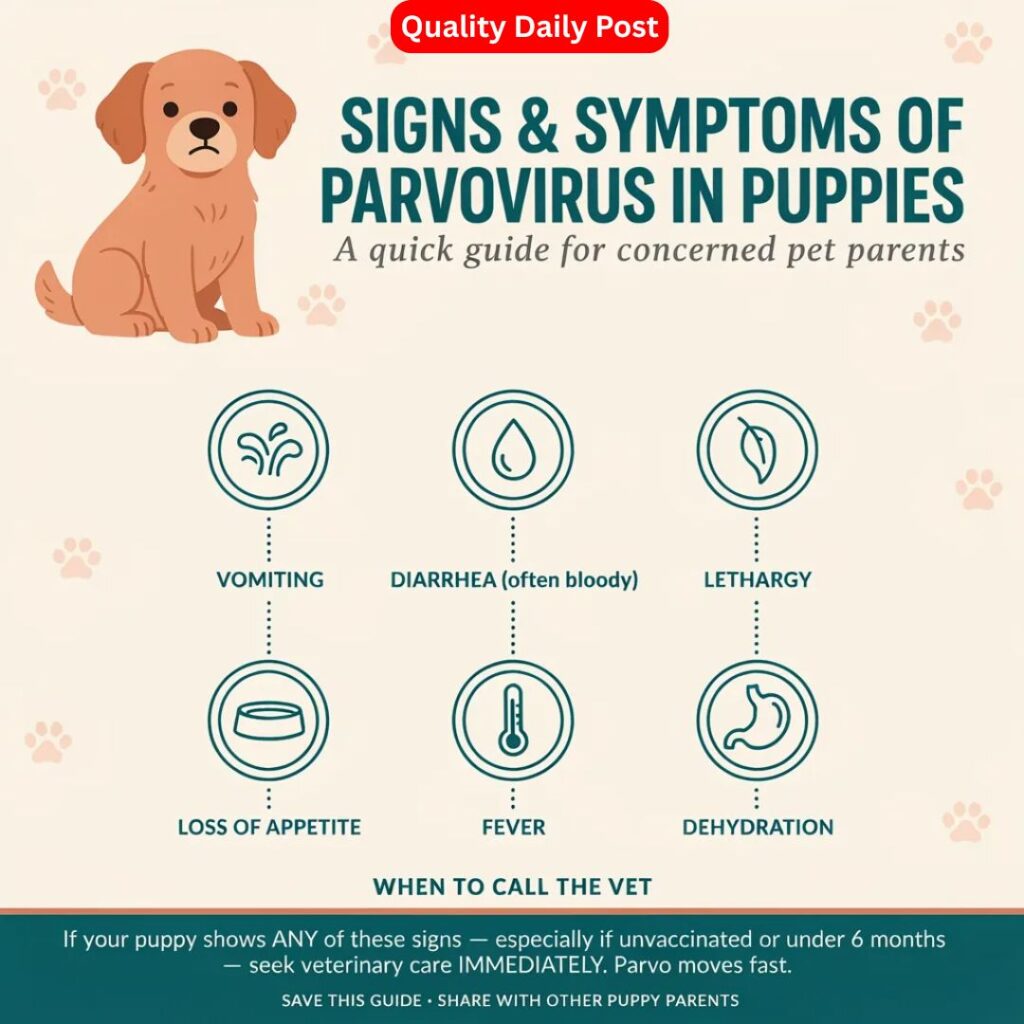
Recognizing the early symptoms of canine parvovirus can make a significant difference in your puppy’s chances of survival. The illness often begins with lethargy, loss of appetite, and fever, followed by repeated vomiting and severe diarrhea that may become bloody and foul-smelling. As the disease progresses, puppies can quickly develop dehydration, rapid weight loss, weakness, abdominal pain, and shock. Because parvovirus attacks the intestinal lining and weakens the immune system, affected puppies can deteriorate within 24 to 48 hours if left untreated. If your puppy shows any of these warning signs—even after receiving parvo shots for puppies—seek immediate veterinary care. Early diagnosis and aggressive treatment greatly improve the chances of recovery.
What Should You Do If You Suspect Parvo?
If you believe your puppy may have parvovirus, acting quickly is essential. Do not wait to see whether symptoms improve on their own, as the disease progresses rapidly. Contact your veterinarian or an emergency animal hospital immediately and explain your puppy’s symptoms. Until your appointment, keep your puppy isolated from other dogs because canine parvovirus spreads easily through infected feces and contaminated surfaces. Avoid giving over-the-counter medications unless specifically instructed by a veterinarian, as some products may worsen your puppy’s condition. Prompt medical treatment often includes intravenous fluids, anti-nausea medication, antibiotics to prevent secondary infections, nutritional support, and close monitoring, all of which can significantly increase the likelihood of survival.
How to Prevent Parvovirus Beyond Vaccination
While parvo shots for puppies are the most effective preventive measure, responsible pet care involves several additional precautions. Until your puppy has completed the recommended vaccination series, avoid areas where many unknown dogs gather, including dog parks, boarding facilities, and public walking trails. Keep your home and yard clean, and disinfect contaminated surfaces with products known to kill canine parvovirus, such as properly diluted bleach solutions when appropriate. Wash your hands after handling unfamiliar dogs and clean shoes if you have visited places where infected animals may have been present. Choosing reputable breeders or shelters that follow proper vaccination and sanitation practices also reduces the risk of early exposure. Combining vaccination with good hygiene provides the strongest overall protection.
Common Myths About Parvo Shots for Puppies
There are many misconceptions surrounding parvo shots for puppies, and believing these myths can place young dogs at unnecessary risk. One common myth is that indoor puppies do not need vaccinations because they rarely leave the house. In reality, the virus can be carried indoors on shoes, clothing, or other objects. Another misconception is that a single vaccine provides lifelong protection. Puppies require multiple doses and booster shots to develop lasting immunity. Some owners also believe natural remedies or special diets can replace vaccination, but there is no scientific evidence that these methods prevent parvovirus. Relying on proven veterinary vaccination schedules remains the safest and most reliable way to protect puppies from this highly contagious disease.
When Is a Puppy Fully Protected Against Parvo?
Many pet owners assume their puppy is fully protected after the first vaccination, but immunity develops gradually over time. Parvo shots for puppies work by stimulating the immune system, and each dose strengthens the puppy’s ability to fight canine parvovirus. Most veterinarians consider puppies to have the best level of protection one to two weeks after the final parvo vaccine, which is usually administered at 16 weeks of age or slightly later, depending on the vaccination schedule. During the weeks before full immunity develops, puppies remain at risk of infection and should avoid high-risk environments. Continuing with recommended booster vaccinations throughout adulthood helps maintain long-term protection against this dangerous disease.
Conclusion
Protecting a young puppy from canine parvovirus begins with responsible preventive care, and parvo shots for puppies remain the most effective tool available. This highly contagious disease can cause severe vomiting, bloody diarrhea, dehydration, and even death if left untreated. Fortunately, following the recommended vaccination schedule, attending every booster appointment, and practicing good hygiene significantly reduce the risk of infection. New pet owners should work closely with their veterinarian to ensure vaccinations are given on time and to receive guidance on nutrition, parasite prevention, and overall wellness. While no vaccine offers absolute protection, completing the full series of parvo shots for puppies gives your dog the strongest possible defense and the best chance of growing into a healthy, active companion.
Frequently Asked Questions (FAQs)
1. At what age should puppies get their first parvo shot?
Most veterinarians recommend giving the first parvo shot when a puppy is 6 to 8 weeks old. Additional vaccinations are then given every 3 to 4 weeks until the puppy reaches at least 16 weeks of age. Following this schedule helps build strong immunity while maternal antibodies gradually disappear.
2. How many parvo shots do puppies need?
Most puppies require three to four parvo vaccinations, depending on when the first dose is administered. After completing the initial series, a booster shot at 12 to 16 months is usually recommended, followed by additional boosters based on your veterinarian’s advice.
3. Can my puppy get parvo after being vaccinated?
Yes, although it is uncommon. A puppy can still become infected before the full vaccine series is complete or if immunity has not fully developed. However, vaccinated puppies generally experience milder illness and a much higher survival rate than unvaccinated puppies.
4. Are parvo shots safe for puppies?
Yes. Parvo shots for puppies are considered safe and highly effective. Most puppies experience only mild side effects, such as temporary soreness, slight fever, or tiredness. Serious allergic reactions are rare but require immediate veterinary attention.
5. How much do parvo shots for puppies cost?
The cost varies by location and veterinary clinic. A single DHPP vaccine typically costs $20 to $60, while the complete puppy vaccination series may range from $75 to $200 or more. Many communities also offer low-cost vaccination clinics.
6. Can I take my puppy outside after the first parvo shot?
Yes, but only with caution. Avoid places where unfamiliar dogs gather, such as dog parks, pet stores, and public walking areas, until your puppy has completed the full vaccination series and your veterinarian confirms it is safe.
7. What happens if my puppy misses a scheduled parvo shot?
If a vaccination is delayed, contact your veterinarian as soon as possible. In many cases, the schedule can continue without starting over, but your veterinarian will determine the best approach based on your puppy’s age and previous vaccinations.

