

Introduction
The story of the giraffe calf euthanized Seneca Park Zoo drew widespread attention after a newborn Masai giraffe calf at Seneca Park Zoo in Rochester, New York, faced severe birth complications. Born on June 18, 2025, the calf suffered irreversible nerve damage that left his left rear leg completely paralyzed. Despite hours of intensive monitoring and evaluation by experienced veterinarians, he was unable to stand, nurse, or show signs of recovery. After determining that his condition was untreatable and would only lead to prolonged suffering, the veterinary team made the difficult decision to perform humane euthanasia. The incident highlights the importance of animal welfare, ethical veterinary care, and ongoing wildlife conservation efforts for endangered giraffe species.
size=3 width=”100%” align=center>
What Happened at Seneca Park Zoo?
The giraffe calf euthanized Seneca Park Zoo incident began when Kura, a four-year-old Masai giraffe, successfully delivered a male calf after a full-term pregnancy. Initially, zoo staff hoped the calf would quickly stand and begin nursing, which is essential for a newborn giraffe’s survival. However, veterinarians soon noticed that the calf could not support himself because his left rear leg was completely paralyzed. The condition prevented him from standing independently, reaching his mother for milk, or moving normally, creating immediate concerns about his long-term health and quality of life.
Zoo veterinarians observed the calf continuously during the critical hours following birth. Despite intensive monitoring and supportive care, there were no signs of improvement. The calf remained underweight, weak, and unable to perform the basic movements necessary for survival. These early observations suggested that the problem was far more serious than a simple birth injury, prompting specialists to conduct a detailed medical evaluation before making any treatment decisions.
Who Was the Newborn Giraffe Calf?
The newborn involved in the giraffe calf euthanized Seneca Park Zoo story was a male Masai giraffe, one of the most endangered giraffe subspecies in Africa. His mother, Kura, had become part of the zoo’s breeding program to support international conservation efforts aimed at protecting declining giraffe populations. Zoo staff had carefully monitored Kura’s pregnancy for months and were excited about the expected arrival of her calf, hoping he would contribute to the long-term survival of the species through accredited conservation programs.
Unfortunately, shortly after birth, veterinarians realized the calf had suffered severe complications during delivery. Although he appeared alert, he could not use his left rear leg because of extensive nerve damage sustained during the birthing process. Since newborn giraffes must stand within a relatively short time after birth to nurse and develop properly, the inability to stand significantly reduced the calf’s chances of survival. The situation quickly became one of the most difficult medical cases the zoo had faced in recent years.
Why Was the Giraffe Calf Euthanized?
The primary reason behind the giraffe calf euthanized Seneca Park Zoo decision was irreversible nerve damage affecting the calf’s left rear leg. According to the zoo’s veterinary experts, the injury occurred during birth and caused permanent paralysis. Unlike broken bones or muscle injuries, damaged nerves cannot simply be repaired with casts, splints, or routine surgery. Because the calf could not stand, walk, or nurse naturally, his chances of living a healthy life were considered extremely poor.
Veterinary specialists explained that continuing treatment would likely prolong the calf’s suffering without offering a realistic possibility of recovery. Humane euthanasia is sometimes recommended when an animal experiences permanent injuries that prevent a reasonable quality of life. Although emotionally painful for everyone involved, the decision reflected internationally accepted animal welfare standards and the zoo’s commitment to minimizing unnecessary pain. Staff members described the choice as compassionate rather than convenient, emphasizing that the calf’s welfare remained their highest priority.
Veterinary Examination and Medical Findings
After recognizing that the newborn could not stand, the veterinary team at Seneca Park Zoo immediately began a detailed medical evaluation. Every newborn giraffe is carefully monitored after birth because the first few hours are critical for survival. In this case, veterinarians observed that the calf was significantly weaker than expected and relied heavily on staff assistance. Physical examinations confirmed that the paralysis affecting the left rear leg was not temporary. The calf also remained underweight, making it even more difficult for him to gain the strength necessary to stand, nurse, and develop normally. These findings indicated that the medical outlook was extremely poor despite continuous professional care.
The veterinary specialists continued monitoring the calf for several hours, hoping for even small signs of improvement. Unfortunately, his condition remained unchanged throughout the observation period. Advanced examinations suggested that the injury involved permanent nerve damage rather than muscles, tendons, or bones. Since the nervous system controls movement and balance, this type of injury greatly reduced the possibility of recovery. Based on their medical experience and accepted animal welfare guidelines, the veterinarians concluded that the calf’s long-term prognosis was fatal, making further treatment unlikely to improve his quality of life.
Why Could the Calf’s Leg Not Be Splinted?
One of the most common questions following the giraffe calf euthanized Seneca Park Zoo incident was why veterinarians did not simply place the injured leg in a splint or cast. The answer lies in the nature of the injury itself. Splints are generally effective when bones are fractured or joints are unstable. However, the newborn giraffe’s condition involved severe nerve damage, meaning the muscles could not receive signals from the brain. Even if the leg had been physically supported, the paralysis would have remained because the damaged nerves could not restore normal movement.
Veterinary experts explained that nerve injuries are among the most difficult conditions to treat in large mammals, especially newborn giraffes that must stand shortly after birth. Without the ability to bear weight on all four legs, the calf could neither nurse independently nor develop proper balance. Prolonged immobility would also increase the risk of additional complications, including infections, pressure injuries, and severe stress. For these reasons, medical intervention through splinting or surgery would not have changed the calf’s prognosis, leaving humane euthanasia as the most compassionate option.
The Difficult Decision to Perform Humane Euthanasia
Making the decision to euthanize a newborn animal is never easy, especially when zoo staff have spent months preparing for its arrival. In the case of the giraffe calf euthanized Seneca Park Zoo, veterinarians carefully considered every available medical option before reaching their conclusion. Their primary responsibility was to ensure the calf did not experience prolonged pain or unnecessary suffering. After extensive monitoring confirmed that recovery was impossible, the team determined that humane euthanasia was the kindest course of action based on established veterinary ethics and animal welfare standards.
Humane euthanasia is performed only when an animal has no realistic chance of achieving an acceptable quality of life. The procedure is designed to be peaceful and painless, allowing the animal to pass without fear or prolonged discomfort. Although emotionally devastating for caregivers and visitors alike, the decision reflected compassion rather than convenience. Zoo officials emphasized that every medical recommendation was based on scientific evidence, professional judgment, and the calf’s overall welfare, ensuring that his comfort remained the highest priority throughout the entire process.
Official Statement from Seneca Park Zoo
Following the incident, Seneca Park Zoo released an official statement explaining the circumstances surrounding the calf’s death. Zoo officials confirmed that the newborn suffered irreversible paralysis caused by nerve damage during birth. They explained that despite constant veterinary observation and supportive care, the calf never demonstrated the ability to stand or nurse independently. After consulting experienced veterinary specialists, the team concluded that recovery was not medically possible. The zoo stressed that humane euthanasia was chosen only after every realistic treatment option had been evaluated.
The statement also thanked visitors and supporters for their compassion during the difficult time. Zoo representatives acknowledged the emotional impact of losing a newborn animal, especially one belonging to the endangered Masai giraffe population. They reaffirmed the institution’s commitment to excellent veterinary care, ethical decision-making, and species conservation. By openly sharing the medical reasons behind the decision, the zoo hoped to increase public understanding of the complex challenges involved in caring for endangered wildlife under professional human care.
The Role of Mother Kura During the Incident
Kura, the four-year-old Masai giraffe, remained under close observation throughout the birth and the hours that followed. Like all giraffe mothers, she instinctively encouraged her newborn to stand and nurse, behaviors that are essential for a calf’s survival in both wild and managed environments. Zoo staff monitored the interactions carefully while minimizing unnecessary disturbance. Although Kura displayed normal maternal behavior, the calf’s paralysis prevented him from responding successfully, making the situation increasingly concerning as time passed.
After the difficult decision was made, animal care specialists continued focusing on Kura’s health and emotional well-being. Veterinary teams monitored her recovery from childbirth, ensuring she maintained normal eating habits and showed no signs of medical complications. Caring for the mother after the loss of a calf is an important part of professional zoo management. Staff members remained dedicated to providing Kura with appropriate veterinary attention, nutrition, and environmental enrichment while planning for her long-term participation in international Masai giraffe conservation efforts.
Public Reaction to the Giraffe Calf Euthanized Seneca Park Zoo Incident
The news of the giraffe calf euthanized Seneca Park Zoo quickly spread across national and international media, touching the hearts of thousands of animal lovers. Many people expressed sadness over the loss of the newborn Masai giraffe calf, especially because his birth had been eagerly anticipated by zoo staff and visitors. Social media platforms were filled with messages of sympathy for the animal care team and support for Kura, the calf’s mother. While the story was heartbreaking, many readers appreciated the zoo’s openness in explaining the medical facts behind the decision rather than leaving room for speculation or misinformation.
At the same time, some individuals questioned whether additional treatment options could have saved the calf. Veterinary professionals and wildlife experts responded by explaining that permanent nerve damage differs significantly from broken bones or muscle injuries. Once the zoo clarified that the calf had no realistic chance of standing, nursing, or living without severe suffering, many members of the public understood why humane euthanasia was considered the most compassionate choice. The discussion also increased awareness of the difficult medical decisions veterinarians face when caring for endangered wildlife.
Why Masai Giraffe Conservation Is So Important
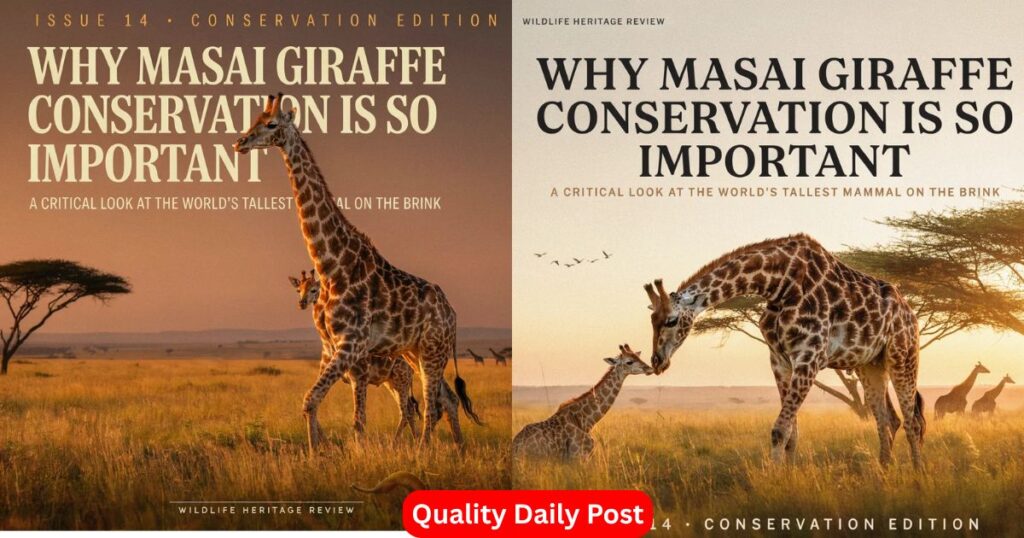
Although the giraffe calf euthanized Seneca Park Zoo story ended sadly, it also highlighted the importance of protecting Masai giraffes, one of Africa’s most threatened giraffe subspecies. Native to Kenya and Tanzania, Masai giraffes have experienced significant population declines because of habitat destruction, illegal hunting, and human expansion. Conservation organizations continue working to protect these animals through habitat preservation, scientific research, anti-poaching programs, and carefully managed breeding initiatives. Every healthy calf born under accredited conservation programs represents hope for maintaining genetic diversity within the species.
Modern zoos play an important role in these conservation efforts by participating in international breeding programs and sharing valuable scientific knowledge. Successful breeding helps maintain healthy populations while educating millions of visitors about wildlife conservation. Although this particular calf could not survive because of unavoidable birth complications, conservation experts emphasized that such rare medical cases should not overshadow the broader success of breeding programs. Each birth provides researchers with new information that can improve veterinary care and reproductive management for future generations of endangered giraffes.
How Accredited Zoos Respond to High-Risk Animal Births
The giraffe calf euthanized Seneca Park Zoo incident demonstrates how seriously accredited zoos prepare for animal births. Before a giraffe gives birth, veterinarians, nutritionists, and animal care specialists closely monitor the mother’s health, diet, and behavior for several months. Emergency medical equipment is kept ready, and experienced staff remain available around the clock during the expected delivery period. These preparations help ensure that any complications can be identified and addressed as quickly as possible.
Even with advanced veterinary care, however, nature remains unpredictable. Birth complications can occur in both wild and managed animal populations despite excellent preparation. When serious medical problems develop, veterinary teams rely on diagnostic examinations, continuous observation, and scientific evidence before deciding on treatment. Every case is evaluated individually, with the animal’s welfare serving as the highest priority. The loss of this newborn giraffe illustrates that even the best veterinary teams cannot prevent every tragic outcome, especially when irreversible nerve injuries occur during delivery.
Understanding the Ethics of Humane Euthanasia in Zoos
Humane euthanasia is one of the most difficult responsibilities faced by veterinarians working in zoological medicine. In the case of the giraffe calf euthanized Seneca Park Zoo, the decision was guided by internationally accepted animal welfare principles rather than emotional considerations alone. Veterinary ethics require professionals to evaluate whether an animal has a realistic opportunity to recover and experience a life free from unnecessary pain. When recovery is impossible, prolonging treatment may actually increase suffering instead of providing meaningful benefit.
Many accredited zoos follow strict ethical guidelines developed by veterinary associations and conservation organizations. These guidelines emphasize that euthanasia should never be performed for convenience but only when medical evidence confirms that an animal cannot achieve an acceptable quality of life. In this case, the calf’s permanent paralysis prevented normal movement, nursing, and development, leaving no practical path toward recovery. Although emotionally painful, the decision reflected compassion, professional responsibility, and respect for the animal’s welfare rather than a lack of commitment to treatment.
Lessons Learned from the Incident
The giraffe calf euthanized Seneca Park Zoo story offers valuable lessons about wildlife care, veterinary medicine, and conservation. One of the most important lessons is that not every birth results in a healthy outcome, even under expert supervision. Wildlife veterinarians often face unpredictable medical emergencies that require difficult decisions based on scientific evidence instead of hope alone. The incident also reminds the public that conservation involves both success and loss, with every experience contributing to improved knowledge for future animal care.
Another important lesson is the value of transparency. By publicly explaining the medical reasons behind the euthanasia, Seneca Park Zoo helped educate visitors about nerve injuries, animal welfare, and ethical veterinary practices. Honest communication built trust with the public while reducing misinformation surrounding the event. Although the loss of the newborn giraffe was deeply saddening, the knowledge gained from the case may help improve veterinary care for future giraffe calves and strengthen ongoing conservation efforts aimed at protecting this endangered species.
Long-Term Impact on Seneca Park Zoo
The giraffe calf euthanized Seneca Park Zoo incident left a lasting emotional impact on zoo staff, volunteers, and visitors. Animal care professionals invest months preparing for births, monitoring pregnancies, and ensuring the health of both mother and calf. Losing a newborn is heartbreaking, especially when everyone involved has worked tirelessly to provide the best possible care. Despite the tragic outcome, the zoo reaffirmed its commitment to maintaining the highest standards of veterinary medicine, animal welfare, and transparent communication with the public.
Beyond the emotional impact, the incident also provided valuable medical information for future giraffe care. Veterinary teams carefully documented the calf’s condition, birth complications, and diagnostic findings. These records contribute to scientific research shared among accredited zoos and conservation organizations worldwide. By learning from difficult cases, experts can continue improving pregnancy monitoring, neonatal care, and emergency response procedures, helping increase the survival rates of endangered giraffe calves born in the future.
The Future of Kura and the Masai Giraffe Breeding Program
Although the loss of her calf was tragic, Kura remains an important member of the Masai giraffe conservation program. After giving birth, veterinary teams closely monitored her physical recovery, nutrition, and overall health to ensure she experienced no complications. Professional animal care staff also observed her behavior and adjusted daily management practices as needed. Supporting the mother’s well-being following the loss of a calf is a critical part of responsible wildlife management in accredited zoological institutions.
The future breeding plans for Kura will be determined by veterinary specialists and conservation coordinators based on her long-term health. Accredited breeding programs focus on maintaining healthy genetic diversity among endangered giraffe populations while ensuring the highest welfare standards for every animal. Although this particular birth ended sadly, conservation experts remain optimistic that future breeding efforts will continue contributing to the protection of Masai giraffes. Every successful birth strengthens the long-term survival prospects of this endangered species.
What This Incident Teaches About Wildlife Conservation
The giraffe calf euthanized Seneca Park Zoo story serves as a reminder that wildlife conservation involves both joyful milestones and heartbreaking setbacks. While people often celebrate the birth of endangered animals, they may not always realize the medical challenges that can occur during pregnancy and delivery. Veterinarians, zoologists, and animal care professionals must balance compassion with scientific judgment when making decisions that directly affect an animal’s welfare. These difficult moments demonstrate the dedication required to care for endangered wildlife responsibly.
The incident also highlights the importance of public education. By openly explaining the reasons behind the euthanasia, Seneca Park Zoo encouraged meaningful discussions about veterinary medicine, ethical animal care, and conservation science. Increased public awareness can inspire stronger support for habitat protection, anti-poaching initiatives, and accredited breeding programs. Although the newborn calf could not survive, his story has helped educate thousands of people about the realities of wildlife conservation and the importance of protecting endangered species for future generations.
Conclusion
The giraffe calf euthanized Seneca Park Zoo incident was a deeply emotional event that attracted widespread public attention. The newborn Masai giraffe calf, born to Kura on June 18, 2025, suffered irreversible nerve damage during birth that left his left rear leg permanently paralyzed. After extensive veterinary examinations and continuous monitoring, specialists determined that the calf had no realistic chance of standing, nursing, or living a healthy life. Based on internationally accepted animal welfare standards, humane euthanasia became the most compassionate and ethical decision to prevent unnecessary suffering.
Although heartbreaking, the incident demonstrates the professionalism and responsibility of accredited zoos when facing complex medical situations. It also highlights the broader mission of wildlife conservation, where every birth, medical challenge, and scientific observation contributes to improving care for endangered animals. The story reminds us that conservation is not only about celebrating new life but also about making compassionate decisions that prioritize animal welfare. Through transparency, education, and continued conservation efforts, Seneca Park Zoo continues supporting the long-term protection of the endangered Masai giraffe.
Frequently Asked Questions (FAQs)
1. Why was the giraffe calf euthanized at Seneca Park Zoo?
The newborn calf suffered irreversible nerve damage to his left rear leg during birth. Because he could not stand or nurse independently, veterinarians determined that recovery was impossible and humane euthanasia was the most compassionate option.
2. When did the incident happen?
The calf was born on June 18, 2025, at Seneca Park Zoo in Rochester, New York.
3. Who was the calf’s mother?
The calf’s mother is Kura, a four-year-old Masai giraffe participating in the zoo’s accredited conservation breeding program.
4. Could the injured leg have been treated with a splint?
No. The injury involved permanent nerve damage, not a broken bone or muscle injury. Because the nerves controlling the leg were irreversibly damaged, a splint or cast would not have restored movement.
5. What is humane euthanasia?
Humane euthanasia is a painless veterinary procedure used when an animal has no reasonable chance of recovery and continuing treatment would only prolong suffering.
6. Why are Masai giraffes important?
Masai giraffes are among the most endangered giraffe subspecies. Accredited zoos participate in breeding and conservation programs to help protect their genetic diversity and long-term survival.
7. How does this incident support wildlife conservation?
Although the calf could not survive, veterinarians documented the medical findings to improve future giraffe care. The incident also raised public awareness about endangered species conservation, ethical veterinary practices, and responsible wildlife management.

