

Protecting your home starts with strong and reliable door security. Understanding how to improve home security with better locks is one of the most effective ways to safeguard your family, valuables, and personal belongings from potential intruders. Modern deadbolt locks, smart locks, and reinforced locking systems provide far greater protection than outdated or low-quality hardware. In addition to upgrading your locks, reinforcing doors, securing windows, and maintaining proper key control can significantly reduce the risk of break-ins. This comprehensive guide explores practical strategies, expert recommendations, and the latest security solutions to help homeowners strengthen their property’s defenses while creating a safer and more secure living environment for everyone..
Why Strong Locks Are the Foundation of Home Security
Every home has multiple entry points, but the front door remains the most common target for burglars. Weak or outdated locks can often be bypassed within seconds using simple tools or force. High-quality locks create a powerful first line of defense, making it much harder for intruders to gain access. Investing in stronger locking systems not only protects your belongings but also discourages criminals from targeting your property in the first place. Security professionals consistently recommend replacing low-quality locks with certified security hardware because stronger locks increase resistance to forced entry and improve the overall safety of your home.
Common Weaknesses Found in Old Locks
Many older homes still use locks that were installed years ago and have never been upgraded. Over time, these locks experience wear and tear, making them easier to pick, bump, or break. Loose strike plates, short screws, rusted internal components, and worn keys all reduce a lock’s effectiveness. Inexpensive builder-grade locks also provide limited protection because they are designed to reduce construction costs rather than maximize security. Regular inspections help identify these weaknesses before they become serious security risks. Replacing aging locks is one of the simplest ways to improve home protection without making major renovations.
Why Criminals Avoid Well-Protected Homes
Burglars generally prefer homes that appear easy to enter. Visible security improvements such as reinforced deadbolts, quality locksets, security cameras, and motion lighting signal that breaking in will require extra effort and increase the risk of being caught. Criminals often abandon attempts when they encounter strong locks that cannot be forced open quickly. Studies of burglary behavior consistently show that time is a major factor, as intruders seek fast access before neighbors notice suspicious activity. Strong locks increase that required time and therefore act as an effective deterrent.
Understanding Different Types of Door Locks
Choosing the right lock begins with understanding the available options. Every lock type offers different levels of protection, convenience, and durability. Some are designed for basic residential use, while others provide commercial-grade security. The best choice depends on your home’s location, the type of door being secured, and your overall security goals. Combining multiple locking methods often delivers the highest level of protection. Modern homeowners can choose from traditional mechanical locks, electronic smart locks, keypad systems, fingerprint locks, and reinforced deadbolt mechanisms that significantly improve home security.
Deadbolt Locks
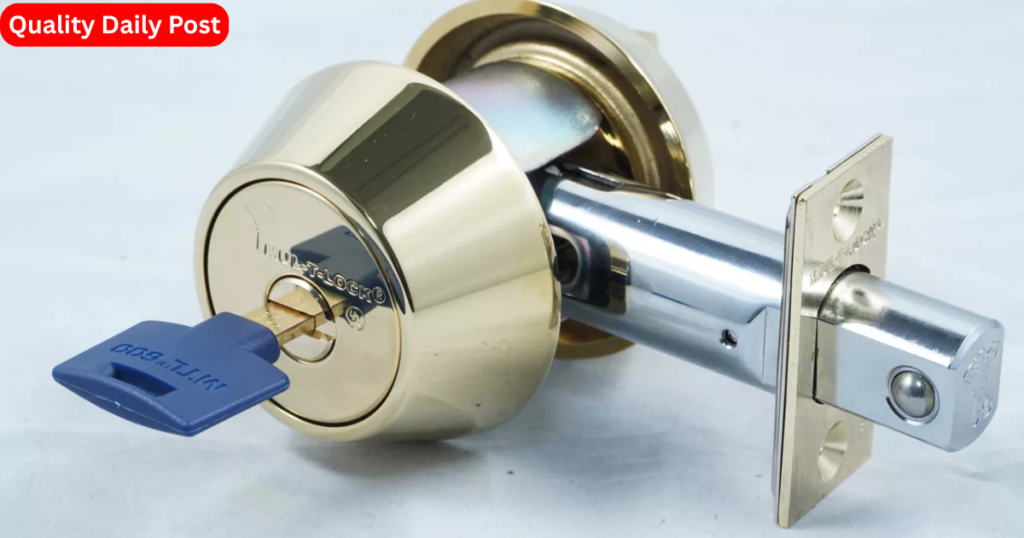
Deadbolt locks remain the most trusted option for residential security because they use a solid steel bolt that extends deep into the door frame. Unlike spring-latch locks, deadbolts cannot easily be opened with credit cards or thin tools. Single-cylinder deadbolts use a key outside and a thumb turn inside, making them convenient for everyday use. Double-cylinder deadbolts require a key on both sides, offering extra protection for doors with nearby glass panels. High-quality deadbolts certified under recognized security standards provide excellent resistance against drilling, picking, and forced entry.
Smart Locks
Smart locks combine physical security with modern technology. Instead of relying only on traditional keys, these locks can be operated using smartphones, PIN codes, fingerprint recognition, or voice assistants. Many models automatically lock doors after a preset period and send notifications whenever someone enters or leaves the home. Temporary digital access codes allow homeowners to provide secure entry for guests, cleaners, or delivery services without sharing permanent keys. Smart locks are especially useful for busy families because they reduce the risk of lost keys while providing detailed access records and remote control features.
Choosing High-Quality Lock Grades
Not every lock provides the same level of protection. Before purchasing new hardware, it is important to understand lock grading standards. The American National Standards Institute (ANSI) and the Builders Hardware Manufacturers Association (BHMA) classify residential locks into three grades based on strength, durability, and resistance to forced entry. Grade 1 locks provide the highest level of security and are commonly used in commercial buildings and high-security homes. Grade 2 locks are ideal for most residential properties because they offer excellent protection at a reasonable price. Grade 3 locks provide only basic security and are best suited for interior doors rather than primary entrances.
Why ANSI Lock Grades Matter
Many homeowners focus only on appearance or price when buying new locks, but security ratings are far more important. ANSI testing evaluates how well a lock withstands repeated use, impact, drilling, and forced entry attempts. A certified Grade 1 or Grade 2 deadbolt can endure thousands of locking cycles while maintaining its strength. Choosing a certified product ensures that your investment delivers reliable long-term protection instead of failing during an emergency. Whenever you shop for locks, look for ANSI or BHMA certification on the packaging to verify that the lock meets recognized industry standards.
Reinforce Your Door Along with the Lock
Installing the strongest lock available will not provide complete protection if the surrounding door or frame is weak. Many burglars bypass locks entirely by kicking the door near the frame until it breaks open. Reinforcing the entire entry system greatly improves overall security. Solid wood, steel, or fiberglass doors provide better resistance than hollow-core doors. Adding heavy-duty strike plates, longer mounting screws, and metal reinforcement plates distributes impact forces more effectively. These upgrades work together with quality locks to create a much stronger barrier against forced entry while extending the lifespan of the locking system.
Upgrade the Strike Plate
The strike plate is the small metal plate attached to the door frame where the deadbolt locks into place. Standard strike plates installed by builders often use short screws that penetrate only the door trim instead of the wall framing. Replacing them with reinforced strike plates secured by three-inch hardened screws dramatically increases resistance to kick-in attacks. This affordable upgrade strengthens the weakest part of many entry doors and allows the deadbolt to perform as intended. Security experts frequently recommend reinforcing strike plates before investing in expensive electronic security systems because it provides immediate protection at a relatively low cost.
Install Longer Screws
Most residential locks are installed using screws that measure less than one inch in length. These short screws cannot adequately secure the door frame during a forceful impact. Replacing them with three-inch steel screws anchors the hardware directly into the structural framing behind the trim. This simple improvement significantly increases the strength of both the hinges and the strike plate, making it much more difficult for intruders to force the door open. It is one of the easiest and most affordable home security upgrades that nearly every homeowner can complete with basic tools.
Secure Every Exterior Entry Point
Many homeowners focus exclusively on the front door while overlooking other vulnerable entry points around the property. Back doors, garage entrances, basement access doors, and side entrances should all receive the same level of protection. Criminals often choose less visible areas where they are less likely to be noticed by neighbors or passing traffic. Every exterior door should be equipped with a high-quality deadbolt, reinforced frame, and durable locking hardware. Maintaining consistent security across all entry points ensures that burglars cannot simply choose the weakest door to gain access.
Don’t Forget Sliding Glass Doors
Sliding glass doors are attractive but can become major security weaknesses if left unprotected. Standard factory locks are often insufficient because they can be forced open or lifted from their tracks. Installing reinforced security bars, anti-lift devices, and upgraded locking mechanisms greatly improves their resistance to forced entry. Laminated or impact-resistant glass provides additional protection by making it harder to break through the door itself. Regularly inspecting rollers, tracks, and locking hardware also helps ensure that the door closes securely and functions as intended throughout the year.
Upgrade to Smart Locks for Modern Home Security
Technology has transformed the way homeowners protect their properties. Smart locks offer convenience without sacrificing security by allowing doors to be locked and unlocked using smartphones, PIN codes, fingerprints, or voice assistants. Many models connect to home Wi-Fi networks, enabling remote access from anywhere. Homeowners can receive instant notifications whenever someone enters or exits the property, making it easier to monitor family members, guests, or service providers. Learning how to improve home security with better locks often includes adopting smart lock technology because it combines physical protection with advanced digital features that improve both safety and convenience.
Benefits of Smart Lock Technology
One of the greatest advantages of smart locks is flexibility. Instead of making duplicate keys, homeowners can create temporary access codes for visitors, cleaners, contractors, or delivery personnel. These codes can expire automatically after a specific time, reducing security risks. Many smart locks also include automatic locking features that secure the door if someone forgets to lock it manually. Activity logs allow users to review exactly when doors were opened or closed, providing valuable information during emergencies. When combined with security cameras and alarm systems, smart locks become part of a complete home protection network.
Choosing the Right Smart Lock
Not every smart lock offers the same features or level of security. Before purchasing one, check whether it supports Bluetooth, Wi-Fi, or Z-Wave connectivity and whether it works with your preferred smart home platform. Look for models that include encrypted communication, two-factor authentication, and emergency backup options in case the batteries fail. A high-quality smart lock should also have a strong mechanical key override so the door remains accessible during power outages or technical issues. Selecting a trusted brand with regular software updates helps protect against cybersecurity threats while ensuring long-term reliability.
Improve Key Management and Access Control
Even the strongest lock can become ineffective if keys are not managed properly. Many homeowners unknowingly increase security risks by hiding spare keys under doormats, flowerpots, or decorative rocks. These are among the first places burglars check. Instead, leave spare keys with a trusted family member or use a secure lockbox designed for outdoor use. If you move into a new home or lose a key, replace or rekey the locks immediately. Proper key management is an essential part of learning how to improve home security with better locks, ensuring that only authorized individuals have access to your property.
Rekey or Replace Locks After Moving
Whenever you purchase a new home or move into a rental property, there is no way to know how many copies of the existing keys are still in circulation. Previous owners, tenants, contractors, neighbors, or maintenance workers may still have access. Rekeying changes the internal mechanism of the lock so that old keys no longer work, while replacing the lock provides a completely new system. Both options significantly improve security and eliminate uncertainty. This simple precaution offers peace of mind and should be completed before settling into any new residence.
Protect Windows with Better Locking Systems
Although doors receive the most attention, windows are another common point of entry for burglars. Standard window latches often provide minimal protection and may not withstand forced entry. Upgrading to reinforced window locks, key-operated locking mechanisms, or secondary locking devices makes unauthorized access much more difficult. Ground-floor windows and basement windows deserve special attention because they are typically easier to reach. Homeowners should also inspect window frames regularly for signs of wear, damage, or loose hardware. Strong window locks complement quality door locks and create a comprehensive approach to residential security.
Add Window Security Film
Security film is a transparent layer applied directly to window glass to improve its strength. While it does not make windows unbreakable, it helps hold shattered glass together during attempted break-ins, delaying intruders and reducing the chance of immediate entry. Security film also provides protection against accidental impacts, severe weather, and harmful UV rays. When combined with reinforced window locks and properly maintained frames, this affordable upgrade significantly improves the overall security of your home without affecting the appearance of your windows.
Maintain Your Locks for Long-Term Security
Installing high-quality locks is only the beginning. Regular maintenance ensures they continue performing effectively for many years. Dirt, dust, moisture, and daily wear can gradually affect the internal components of a lock, making it difficult to operate and reducing its reliability. Inspect every exterior lock at least twice a year for signs of rust, loose screws, sticking mechanisms, or physical damage. Lubricate the cylinder using a graphite-based lubricant or a product specifically designed for locks instead of oil-based lubricants, which can attract dust and debris. Well-maintained locks provide smoother operation and reduce the likelihood of unexpected failures.
Signs That Your Locks Need Replacement
Many homeowners ignore early warning signs until a lock stops working completely. If a key becomes difficult to turn, the lock feels loose, the deadbolt fails to align properly, or visible rust appears, it may be time for a replacement. Frequent sticking or jamming can indicate worn internal components that are no longer secure. Locks damaged during attempted break-ins should always be replaced immediately, even if they still function. Upgrading before complete failure ensures your home remains protected and prevents emergency lockouts or costly repairs later.
Common Lock Installation Mistakes to Avoid
Even the best lock cannot deliver maximum protection if it is installed incorrectly. One common mistake is failing to align the deadbolt properly with the strike plate, causing unnecessary stress on the locking mechanism. Using short screws, installing locks on weak or damaged doors, or choosing the wrong lock size can also reduce security. Some homeowners attempt complex installations without following the manufacturer’s instructions, leading to poor performance. Hiring a qualified locksmith for high-security lock installations ensures the hardware functions correctly and provides the level of protection it was designed to deliver.
Avoid Cheap or Uncertified Locks
Budget-friendly locks may seem attractive because of their lower price, but they often lack the strength and durability needed for effective home protection. Low-quality materials can bend, break, or wear out much faster than certified security products. Some inexpensive locks are also easier to pick, drill, or force open. Investing in locks that meet recognized industry standards provides better long-term value and significantly improves resistance against burglary attempts. Spending slightly more on quality hardware today can prevent far greater financial losses caused by theft or property damage in the future.
Combine Better Locks with Other Home Security Measures
Learning how to improve home security with better locks should be part of a broader security strategy rather than the only measure you take. Modern home protection works best when multiple layers of security work together. Motion-activated lighting, security cameras, alarm systems, video doorbells, and outdoor lighting all complement strong locks by increasing visibility and deterring criminal activity. Trim shrubs around doors and windows to eliminate hiding places, and always lock doors and windows even when leaving home for a short time. Combining physical security with smart technology creates a safer environment for your family.
Create Daily Security Habits
The strongest locks are only effective when used consistently. Make it a habit to lock every door and window before leaving home or going to bed. Avoid leaving spare keys in obvious outdoor locations, and never share access codes with people you do not fully trust. If your home uses smart locks, update passwords regularly and install software updates as soon as they become available. Encourage every family member to follow the same security routine so that your home’s protection does not depend on just one person. Good daily habits greatly reduce avoidable security risks.
Conclusion
Protecting your home begins with making smart decisions about your first line of defense—your locks. Understanding how to improve home security with better locks helps homeowners reduce the risk of burglary while creating a safer environment for their families. Upgrading to high-quality deadbolts, smart locks, reinforced strike plates, and stronger door frames significantly increases resistance against forced entry. Regular maintenance, proper key management, and professional installation further enhance the effectiveness of your security system. However, locks work best when combined with other protective measures such as security cameras, motion-activated lighting, alarm systems, and safe daily habits. By investing in reliable locking solutions and following the practical recommendations outlined in this guide, you can strengthen your home’s security, protect valuable belongings, and enjoy greater peace of mind knowing your property is well defended against potential threats.
Frequently Asked Questions
What is the best type of lock for home security?
Deadbolt locks, especially ANSI Grade 1 or Grade 2 models, are among the best choices for residential security. They provide strong resistance against forced entry and are recommended by most security professionals.
Are smart locks more secure than traditional locks?
High-quality smart locks can be just as secure as traditional deadbolts while offering additional features like remote access, activity logs, temporary access codes, and automatic locking. Choosing a trusted brand with regular security updates is important.
How often should I replace my home locks?
Replace your locks immediately if they become damaged, worn out, difficult to operate, or after moving into a new home. Otherwise, inspect them regularly and upgrade them whenever better security technology becomes available.
Can I install a better lock myself?
Many standard deadbolts can be installed using basic tools and by following the manufacturer’s instructions. However, professional installation is recommended for high-security locks, smart locks, or reinforced door systems to ensure maximum protection.
Should I change my locks after losing my keys?
Yes. If your keys are lost or stolen, rekeying or replacing the locks is the safest option. This prevents unauthorized individuals from using the missing keys to access your home.
Do reinforced doors improve lock security?
Absolutely. Even the strongest lock cannot fully protect a weak door or frame. Reinforced doors, heavy-duty strike plates, and longer mounting screws greatly improve the effectiveness of your locking system and make forced entry much more difficult.

