

Many people ask, what does a cavity look like, especially after noticing a dark spot, tooth sensitivity, or a small hole in their teeth. A cavity does not always begin as a visible hole. In its earliest stage, it often appears as a white chalky spot caused by enamel demineralization. As the decay progresses, the affected area may turn brown or black and develop into a noticeable pit or cavity. Recognizing these early warning signs is essential because prompt treatment can prevent further damage and costly dental procedures. This guide explains what does a cavity look like, its symptoms, causes, treatment options, and practical prevention tips to help you maintain healthy teeth and a confident smile.
What Is a Cavity?
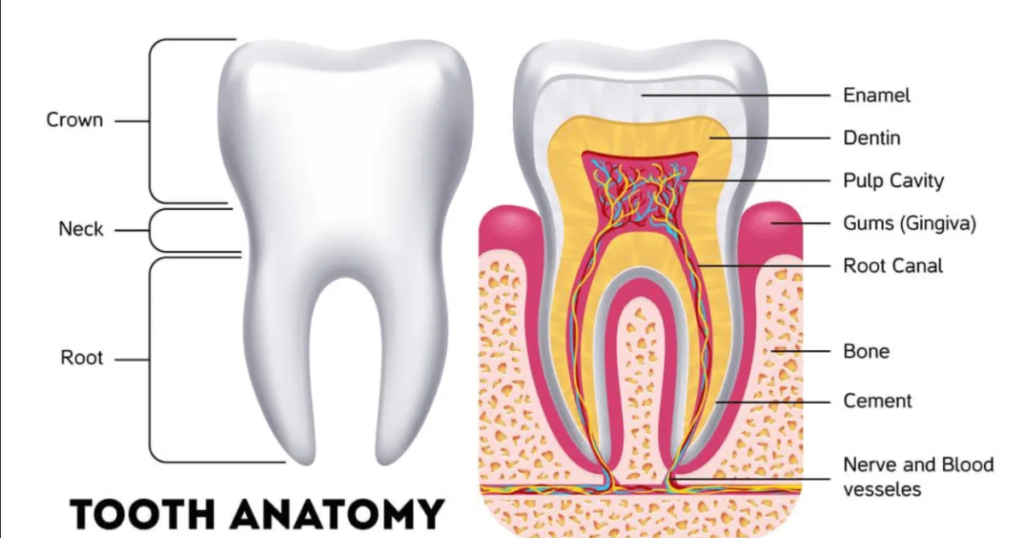
A cavity, also called dental caries or tooth decay, is a permanently damaged area in the hard surface of a tooth. It develops when bacteria in the mouth feed on sugars and starches, producing acids that gradually wear away the protective enamel. Without proper treatment, the decay spreads deeper into the tooth, reaching the dentin and even the pulp, where nerves and blood vessels are located. Cavities are one of the most common dental problems worldwide and can affect people of all ages. Good oral hygiene, regular dental checkups, and healthy eating habits are the most effective ways to reduce the risk of tooth decay.
What Does a Cavity Look Like in the Early Stage?
If you are asking what does a cavity look like during its earliest stage, the answer may surprise you. Early cavities often do not resemble holes at all. Instead, they usually appear as small white or chalky spots on the enamel, indicating mineral loss. At this point, there may be little or no pain, making the damage easy to overlook. Some people also notice slight roughness on the tooth surface or mild sensitivity when consuming cold or sweet foods. Because early decay is difficult to detect without a professional examination, routine dental visits play a crucial role in identifying cavities before they become larger and more expensive to treat.
What Does a Cavity Look Like as It Gets Worse?
As tooth decay progresses, the appearance changes significantly. The white spot gradually becomes yellow, brown, or black, showing that the enamel has weakened further. Eventually, a visible hole, pit, or crack may develop on the chewing surface or between teeth. Food particles often become trapped inside these openings, causing persistent bad breath and discomfort. At this stage, sensitivity usually increases, especially when eating hot, cold, or sugary foods. If the cavity reaches the inner layers of the tooth, severe pain and infection may occur. Understanding what does a cavity look like in its advanced stages helps people seek timely dental treatment before complications develop.
Common Colors of a Tooth Cavity
The color of a cavity depends on its stage and severity. Early decay often appears as a dull white spot, while moderate decay may turn light brown or dark brown. More advanced cavities frequently become black, indicating significant damage to the tooth structure. In some cases, cavities may even look gray if the underlying dentin has been affected. It is important to remember that not every dark spot is a cavity, as stains from coffee, tea, tobacco, or certain foods can produce similar discoloration. A professional dental examination is the most reliable way to determine whether the spot is harmless staining or active tooth decay.
What Does a Cavity Look Like Between Teeth?
One of the hardest places to detect tooth decay is between the teeth, where cavities often remain hidden until they become more serious. If you are wondering what does a cavity look like in these areas, you may not see it directly without dental X-rays. However, some warning signs include a small dark shadow near the gumline, food frequently getting stuck, floss tearing between teeth, or persistent sensitivity after eating sweets. Because these cavities are concealed, they can spread unnoticed and damage both neighboring teeth. Regular dental examinations and daily flossing are essential for identifying and preventing decay in these difficult-to-see spaces.
What Does a Cavity Look Like on Front Teeth?
A cavity on the front teeth is usually easier to notice because these teeth are highly visible. Early decay often begins as a chalky white patch near the gumline, signaling enamel demineralization. As the cavity progresses, the affected area may become yellow, brown, or black, creating a noticeable cosmetic concern. Small pits or rough areas may also appear, making the tooth feel uneven when touched with the tongue. Since front teeth are important for both appearance and speech, early treatment can restore the tooth with minimal changes to its natural look while preventing further structural damage.
What Does a Cavity Look Like on Molars?
The molars are especially vulnerable to cavities because their deep grooves and pits easily trap food particles and bacteria. When asking what does a cavity look like on molars, you may notice dark brown or black spots within the chewing surface, small holes, or areas where the enamel appears worn away. These cavities may initially cause little discomfort, but as decay deepens, chewing can become painful and sensitivity to hot, cold, or sweet foods may increase. Since molars perform most of the chewing, untreated cavities can weaken the tooth and eventually require more extensive dental procedures.
The Different Stages of Tooth Decay
Understanding the stages of tooth decay helps explain how a cavity develops over time. The first stage involves demineralization, where white spots appear due to mineral loss in the enamel. Next comes enamel decay, during which small holes begin to form. As bacteria penetrate deeper, the decay reaches the dentin, causing increased sensitivity and discomfort. If left untreated, the infection spreads to the tooth pulp, resulting in severe pain and possible swelling. The final stage is a dental abscess, a serious infection that can damage surrounding tissues and may even affect overall health. Early intervention at any stage significantly improves treatment outcomes.
Common Symptoms of a Tooth Cavity
Although appearance is important, symptoms often provide additional clues about tooth decay. Common signs include tooth sensitivity, pain when biting, discomfort after eating sugary foods, persistent bad breath, and visible holes or discoloration. Some people experience occasional toothaches that gradually become more frequent as the cavity grows. Others may notice food repeatedly getting trapped in the same area or a rough spot that can be felt with the tongue. In the earliest stages, a cavity may cause no symptoms at all, making routine dental checkups essential. Recognizing these warning signs early can help prevent extensive damage and preserve your natural teeth.
What Causes Cavities?
Cavities develop when harmful bacteria in the mouth combine with sugars and starches from food to produce acids that attack the tooth’s protective enamel. This process gradually weakens the enamel until a small hole forms. Frequent snacking, sugary drinks, sticky foods, and poor oral hygiene speed up this process because bacteria have more opportunities to produce acid. A dry mouth, caused by certain medications or medical conditions, also increases the risk because saliva helps neutralize acids and wash away food particles. Understanding these causes makes it easier to answer what does a cavity look like and, more importantly, how to prevent tooth decay before it becomes severe.
Who Is Most at Risk of Getting Cavities?
Although anyone can develop tooth decay, certain people face a higher risk. Children and teenagers often experience cavities because they consume more sugary snacks and may not brush effectively. Older adults are also vulnerable due to receding gums, worn enamel, and reduced saliva production. Individuals who frequently drink soft drinks, consume sweets, smoke, or neglect regular dental visits are more likely to develop cavities. Wearing braces or other orthodontic appliances can also make cleaning more difficult, allowing plaque to accumulate. Genetics, existing dental conditions, and poor nutrition may further increase the likelihood of tooth decay, making preventive care even more important.
How Do Dentists Diagnose a Cavity?
Dentists use several methods to determine whether a tooth has a cavity. During a routine examination, they carefully inspect the teeth for white spots, discoloration, pits, or visible holes. A dental explorer may be used to check for softened enamel, while digital X-rays help detect hidden cavities between teeth or beneath existing fillings. In some clinics, advanced diagnostic tools such as laser cavity detectors identify early enamel damage before it becomes visible. Combining these techniques allows dentists to diagnose cavities accurately and recommend the most appropriate treatment. Early detection often means simpler, less expensive procedures and better long-term oral health.
Treatment Options for Tooth Cavities
The appropriate treatment depends on the size and severity of the cavity. Very early enamel damage may be reversed with fluoride treatments, which help restore lost minerals. Once a hole forms, the decayed portion of the tooth is removed and replaced with a dental filling made from composite resin, amalgam, or other materials. Larger cavities may require an inlay, onlay, or dental crown to strengthen the remaining tooth structure. If decay reaches the pulp, a root canal treatment may be necessary to remove infected tissue while preserving the tooth. In cases where the tooth cannot be saved, extraction followed by a replacement option, such as a dental implant, may be recommended.
Can a Cavity Heal Naturally?
A common question after asking what does a cavity look like is whether it can heal without dental treatment. The answer depends on the stage of decay. If the damage is limited to early enamel demineralization, improved oral hygiene, fluoride toothpaste, fluoride treatments, and a healthy diet may help remineralize the tooth and stop further damage. However, once a true cavity forms and a hole develops in the enamel, the tooth cannot repair itself naturally. Professional dental treatment is required to remove the decay and restore the tooth. Delaying care only allows bacteria to spread deeper, increasing the risk of pain, infection, and more complex procedures.
How to Prevent Cavities Effectively
Preventing cavities is much easier and less expensive than treating them. The best approach is to maintain a consistent oral hygiene routine by brushing your teeth twice a day with fluoride toothpaste and flossing daily to remove plaque between teeth. Limiting sugary snacks and acidic beverages reduces the amount of acid that attacks tooth enamel. Drinking plenty of water, especially after meals, helps wash away food particles and bacteria. Regular professional cleanings every six months allow dentists to remove hardened plaque and detect early signs of decay. Following these simple habits significantly lowers the risk of developing cavities and supports long-term dental health.
Foods That Help Protect Your Teeth
Your diet plays an important role in keeping your teeth healthy. Foods rich in calcium, phosphorus, and vitamin D help strengthen tooth enamel and reduce the risk of cavities. Dairy products such as milk, cheese, and yogurt are excellent choices because they provide essential minerals and help neutralize harmful acids. Crunchy fruits and vegetables like apples, carrots, and celery stimulate saliva production, which naturally cleans the mouth. Nuts, leafy greens, eggs, and fish also support strong teeth. On the other hand, limiting sugary candies, soft drinks, and sticky snacks can greatly reduce bacterial growth and enamel erosion.
When Should You Visit a Dentist?
Many people wait until they experience severe tooth pain before scheduling a dental appointment, but early treatment is always the better option. You should visit a dentist if you notice white spots, brown or black discoloration, visible holes, persistent sensitivity, pain while chewing, or swelling around a tooth. Bad breath that does not improve with brushing may also indicate tooth decay. Even if you have no symptoms, routine dental checkups every six months are recommended because dentists can identify cavities before they become visible or painful. Early diagnosis usually means quicker treatment, lower costs, and better preservation of your natural teeth.
Common Myths About Cavities
There are many misconceptions about cavities that can prevent people from seeking timely care. One common myth is that only children get cavities, when in reality people of all ages can develop tooth decay. Another false belief is that if a cavity does not hurt, it does not need treatment. In fact, many cavities remain painless until they reach the deeper layers of the tooth. Some also believe that brushing harder removes cavities, but excessive brushing can actually damage enamel and irritate the gums. Understanding the facts helps individuals make informed decisions and maintain better oral health throughout their lives.
Internal Linking Suggestions
To improve your website’s SEO and provide readers with additional valuable information, consider linking this article to other relevant dental and health topics. These internal links help users explore related content while increasing engagement and page authority.
- How to Brush Your Teeth Properly
- Signs You Need a Root Canal
- Best Foods for Healthy Teeth and Gums
- How to Prevent Tooth Decay Naturally
- What Causes Tooth Sensitivity?
- How Often Should You Visit the Dentist?
- Dental Filling vs Crown: Which Is Better?
- Complete Guide to Oral Hygiene for Adults and Children
These related articles create a strong content cluster around oral health, making it easier for search engines to understand your website’s expertise and improving your chances of ranking for related keywords.
Conclusion
Understanding what does a cavity look like is one of the most important steps toward protecting your oral health. A cavity can begin as a small white chalky spot caused by enamel demineralization and gradually progress into brown or black discoloration, visible pits, or deep holes as tooth decay advances. While some cavities are easy to see, others develop between teeth or beneath the surface and require professional dental examinations and X-rays for accurate detection. Ignoring the early signs can lead to severe pain, infection, and costly treatments such as root canals or tooth extraction. Fortunately, most cavities are preventable with good oral hygiene, a balanced diet, fluoride toothpaste, and regular dental checkups. By recognizing the warning signs early and seeking prompt treatment, you can preserve your natural teeth, maintain a healthy smile, and avoid serious dental complications in the future.
Frequently Asked Questions (FAQs)
1. What does a cavity look like in the beginning?
In its earliest stage, a cavity usually appears as a white or chalky spot on the tooth. This indicates that minerals have been lost from the enamel. At this point, there may be no pain, making regular dental checkups important for early detection.
2. What color is a tooth cavity?
A cavity can be white, yellow, brown, gray, or black, depending on its stage. Early cavities are often white, while advanced tooth decay usually appears dark brown or black as the enamel becomes severely damaged.
3. Can you see a cavity without going to the dentist?
Some cavities are visible as dark spots, holes, or pits, especially on the chewing surfaces of teeth. However, many cavities develop between teeth or below the surface, where they cannot be seen without a professional examination and dental X-rays.
4. Does every dark spot on a tooth mean it’s a cavity?
No. Not every dark spot is a cavity. Coffee, tea, tobacco, certain foods, and natural tooth stains can also cause discoloration. Only a dentist can confirm whether the spot is active tooth decay or a harmless stain.
5. Can a cavity go away on its own?
A true cavity cannot heal naturally once a hole has formed in the tooth. Only very early enamel damage may be reversed through remineralization with fluoride, proper brushing, flossing, and a healthy diet.
6. How can I prevent cavities?
The best ways to prevent cavities include brushing twice daily with fluoride toothpaste, flossing every day, limiting sugary foods and drinks, drinking plenty of water, eating a balanced diet, and visiting your dentist every six months for professional cleanings and examinations.

